|
 |
|
 |
| |
LOCATION |
|
The University of York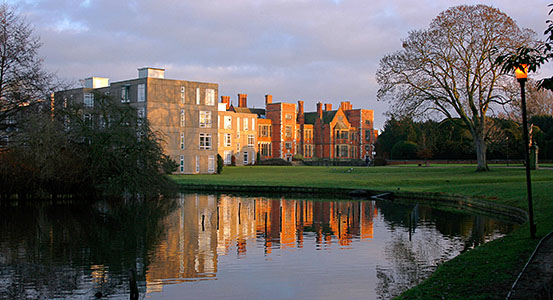
The University of York opened in 1963 with just 230 students. In less than 50 years, York has become one of the top ten universities in the UK for teaching and research and is ranked in the top 100 universities in the world. There are now over 30 academic departments and research centres and the student body has expanded to 130,000. The University campus is located in a beautiful landscaped park, within easy reach of the historic city of York. The campus lake, which is the largest plastic-bottomed lake in Europe, has attracted a large population of wild and semi-wild waterfowl. |
Chemistry at York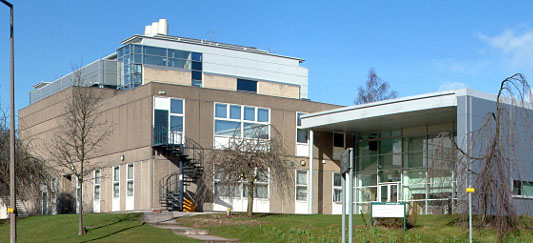
Chemistry at the University of York has consistently been placed in the top five in the 2011 newspaper subject league tables. We have around 50 full-time members of staff, over 460 undergraduate students, approximately 150 graduates (mainly studying for the PhD degrees) and 80 research fellows. |
National Science Learning Centre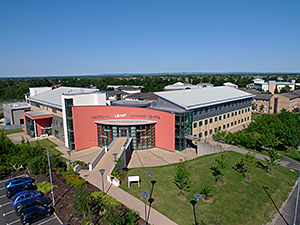
The conference will take place at the National Science Learning Centre, opened in 2006. The first Director of the Centre was a Chemistry Professor John Holman. We hope that conference participants will enjoy excellent facilities (lecture theatres, restaurant/bar, atrium which will provide comfortable space for poster presentations, networking, tea/coffee breaks) and the proximity to the conference accommodation. |
Alcuin College
Accommodation for conference participants has been booked in Alcuin college, one of the University's first colleges, which accepted first students back in 1967. Today, Alcuin accommodation is some of the newest and best on campus. |
City of York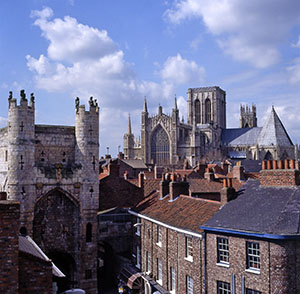
The city has a rich history. York was founded by the Romans in 71 AD. At the end of Roman rule in 415 AD, the settlement was taken over by the Angles. It was captured by the Vikings in 866 AD. In the Middle Ages, York became a major trading centre. In 19th century, York became an important hub of the railway network. Thanks to the rich heritage, York has many tourist attractions. In 2009 it was the 7th most visited city by UK residents and the 13th most visited by overseas visitors. The main tourist attractions are York Minster (the second largest Gothic cathedral in northern Europe), Clifford's Tower, Snickelways (narrow pedestrian routes), the National Railway Museum. |
|
|
ESR 2011 |
|
|
 |
|
 |
|

